
"hot beverage temperature"
500 article(s) found

Growth Environment and brewing of small Coffee
Small grain coffee scientific name: Coffea arabica family genus: Rubiaceae coffee genus morphological characteristics: small trees or large shrubs, plant height 5 meters 8 meters. Base usually much branched, old branches gray-white. Nodes inflated, young branches glabrous. Leaves thinly leathery-ovate-lanceolate or lanceolate, apex long acuminate, base cuneate or slightly obtuse, entire or shallowly wavy, both surfaces glabrous. Cymes several clustered in leaf axils

Various utensils and principles for making coffee-1
■ filter / hand brew (Filter Coffee): the most popular way for coffee players to brew coffee, there are numerous ways to play it, roughly using lightly roasted and roughly ground coffee powder into filter paper (or flannel), slowly injecting hot water into the center of the coffee powder to extend around, and then back to the center from around (no matter how much water is injected, it is important to evenly), soak in hot water
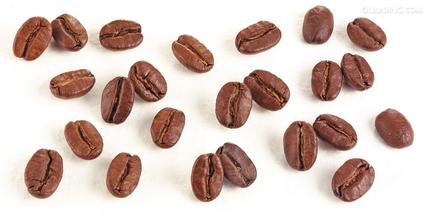
Arabica Coffee Bean Family introduces the characteristics of Price Origin
Arabica coffee bean family introduction price producing area characteristics Arabica is deeply loved by Chinese people with a short history of coffee contact because of its strong fruity aroma. it was introduced to China by missionaries in the 19th century. It is widely planted in the dry-hot valley of the Jinsha River, which is more than 1000 meters above sea level in Panzhihua, Sichuan and western Yunnan. The local people use the way of diverting water up the mountain.

The introduction and source of small coffee novice must see
Arabica scientific name: Coffea arabica family: Rubiaceae coffee morphological characteristics: small trees or large shrubs, plant height 5~8 meters. Base usually much branched, older branches gray. nodes dilated, young branches glabrous. Leaves thin leathery ovate-lanceolate or lanceolate, apex long acuminate, base cuneate or slightly obtuse, entire or shallowly undulate, glabrous on both sides. Cymes several clustered in leaf axils

Yunnan coffee common sense coffee growing environment and brewing
Arabica scientific name: Coffea arabica family: Rubiaceae coffee morphological characteristics: small trees or large shrubs, plant height 5~8 meters. Base usually much branched, older branches gray. nodes dilated, young branches glabrous. Leaves thin leathery ovate-lanceolate or lanceolate, apex long acuminate, base cuneate or slightly obtuse, entire or shallowly undulate, glabrous on both sides. Cymes several clustered in leaf axils

The various utensils and principles of making coffee.
■ filter / hand brew (Filter Coffee): the most popular way for coffee players to brew coffee, there are numerous ways to play it, roughly using lightly roasted and roughly ground coffee powder into filter paper (or flannel), slowly injecting hot water into the center of the coffee powder to extend around, and then back to the center from around (no matter how much water is injected, it is important to evenly), soak in hot water

What coffee beans do you use to make ice drop coffee? does it taste good to make ice drop coffee? description of flavor
Professional coffee knowledge exchange more coffee bean information Please pay attention to the coffee workshop (Wechat official account cafe_style) iced coffee and chilled coffee are essentially different, iced coffee beans and ordinary iced coffee beans are also different. It is often seen that some coffee lovers confuse ice drop (or ice brew) coffee with hot coffee with ice cubes, so I would like to introduce them.
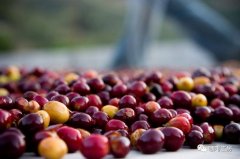
What's the difference between Yunnan coffee? What are the characteristics of small coffee?
Professional baristas Please follow the Coffee Workshop (Wechat official account cafe_style) Yunnan small grain coffee is relative to Vietnam's medium grain coffee, which is due to different varieties. The varieties grown in Yunnan are Arabica species, whose granules are smaller than those of Robusta coffee grown in Vietnam, so they are called small grains. As far as climatic conditions are concerned, the sunshine in southern Yunnan is long.

Don't drink coffee from a metal cup.
When looking for coffee cups for our favorite coffee, we always turn our attention to those colorful quilts. The senior barista told us not to drink coffee from metal cups. So, are there any cups that can't be used with coffee to drink? The metal elements in the composition of enamel cups are usually stable, but in acidic environments, there are

Illustration | A guide to making layered lattes needs to be signed.
There is a common sense that if you want to make a beautiful latte, you should pour the milk into the espresso, not the other way around. But what happens the other way around? This makes another kind of latte: layered latte (layere)

Effect of Coffee basic knowledge and Water quality on the Flavor of a Cup of Coffee
I remember that when I was a child, I directly boiled boiled water to drink, with a little taste of bleach and metal, and many years ago, the advertisement of Nongfu Spring told us that some water was a little sweet. Nowadays, with the popularity of water purifiers and barreled water, we seldom drink cold boiled water. Here, I would like to talk about the influence of water quality on the flavor trend of brewing beverage. Brother Bird is a native of Qingdao.

The difference between ice drop (ice brewed) coffee and hot coffee with ice-coffee worm
There is an essential difference between ice-drop coffee and ice-cold coffee. Ice-drop (or ice-brewed) coffee and ice-cold or ice-cold coffee seem to be different in one word, but the two are essentially different in extraction and should not be confused. Ice drop (also known as ice brew) coffee is a coffee beverage extracted by soaking in water below 5 degrees Celsius for a long time at a low temperature. Iced coffee or iced coffee refers to quick extraction with hot water

How much do you know about the effect of water quality on the flavor of a cup of coffee?
I remember that when I was a child, I directly boiled boiled water to drink, with a little taste of bleach and metal, and many years ago, the advertisement of Nongfu Spring told us that some water was a little sweet. Nowadays, with the popularity of water purifiers and barreled water, we seldom drink cold boiled water. Here, I would like to talk about the influence of water quality on the flavor trend of brewing beverage. Brother Bird is a native of Qingdao.

Various utensils and principles for making coffee by brewing technology 2
■ filter / hand brew (Filter Coffee): the most popular way for coffee players to brew coffee, there are numerous ways to play it, roughly using lightly roasted and roughly ground coffee powder into filter paper (or flannel), slowly injecting hot water into the center of the coffee powder to extend around, and then back to the center from around (no matter how to inject water, to evenly), soak in hot water

Common sense of Chinese Coffee growth Environment and brewing of small Coffee
Small grain coffee scientific name: Coffea arabica family genus: Rubiaceae coffee genus morphological characteristics: small trees or large shrubs, plant height 5 meters 8 meters. Base usually much branched, old branches gray-white. Nodes inflated, young branches glabrous. Leaves thinly leathery-ovate-lanceolate or lanceolate, apex long acuminate, base cuneate or slightly obtuse, entire or shallowly wavy, both surfaces glabrous. Cymes several clustered in leaf axils

Introduction to the production area of grinding scale by describing the flavor of Arabica and iron pickup coffee beans
Arabica and Tippica coffee bean flavor description processing grinding scale production area Arabica is deeply loved by Chinese people with a short history of coffee contact because of its strong fruity aroma. Arabica was introduced to China by missionaries in the 19th century. It is widely planted in the dry-hot valley of the Jinsha River, which is more than 1000 meters above sea level in Panzhihua, Sichuan and western Yunnan.

General knowledge of fine coffee the growing environment of small-grain coffee
Small grain coffee scientific name: Coffea arabica family genus: Rubiaceae coffee genus morphological characteristics: small trees or large shrubs, plant height 5 meters 8 meters. Base usually much branched, old branches gray-white. Nodes inflated, young branches glabrous. Leaves thinly leathery-ovate-lanceolate or lanceolate, apex long acuminate, base cuneate or slightly obtuse, entire or shallowly wavy, both surfaces glabrous. Cymes several clustered in leaf axils

Common sense of Coffee beans in Yunnan growth Environment and brewing of small Coffee
Small grain coffee scientific name: Coffea arabica family genus: Rubiaceae coffee genus morphological characteristics: small trees or large shrubs, plant height 5 meters 8 meters. Base usually much branched, old branches gray-white. Nodes inflated, young branches glabrous. Leaves thinly leathery-ovate-lanceolate or lanceolate, apex long acuminate, base cuneate or slightly obtuse, entire or shallowly wavy, both surfaces glabrous. Cymes several clustered in leaf axils
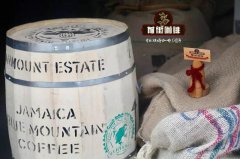
When was Arabica Coffee introduced into China the Origin History of Arabica Coffee
Professional coffee knowledge exchange more coffee bean information Please follow the coffee workshop (Wechat official account cafe_style) Arabica is deeply loved by the Chinese with a short history of coffee contact because of its strong fruity aroma. it was introduced to China by missionaries in the 19th century and is widely planted in the dry-hot valley of the Jinsha River above sea level 1000 meters above sea level in Panzhihua, Sichuan and western Yunnan.

What is the difference between 100% Arabica coffee and regular coffee in taste and flavor caffeine
Professional coffee knowledge exchange more coffee bean information please follow coffee workshop (Wechat official account cafe_style) Arabica coffee is very popular with Chinese people with a short history of coffee contact because of its strong fruity aroma. it was introduced to China by missionaries in the 19th century and is widely planted in the dry-hot valley of the Jinsha River, which is 1000 meters above sea level in Panzhihua, Sichuan and western Yunnan.